كنيسة تلاميذ مار مارون - مزرعة يشوع
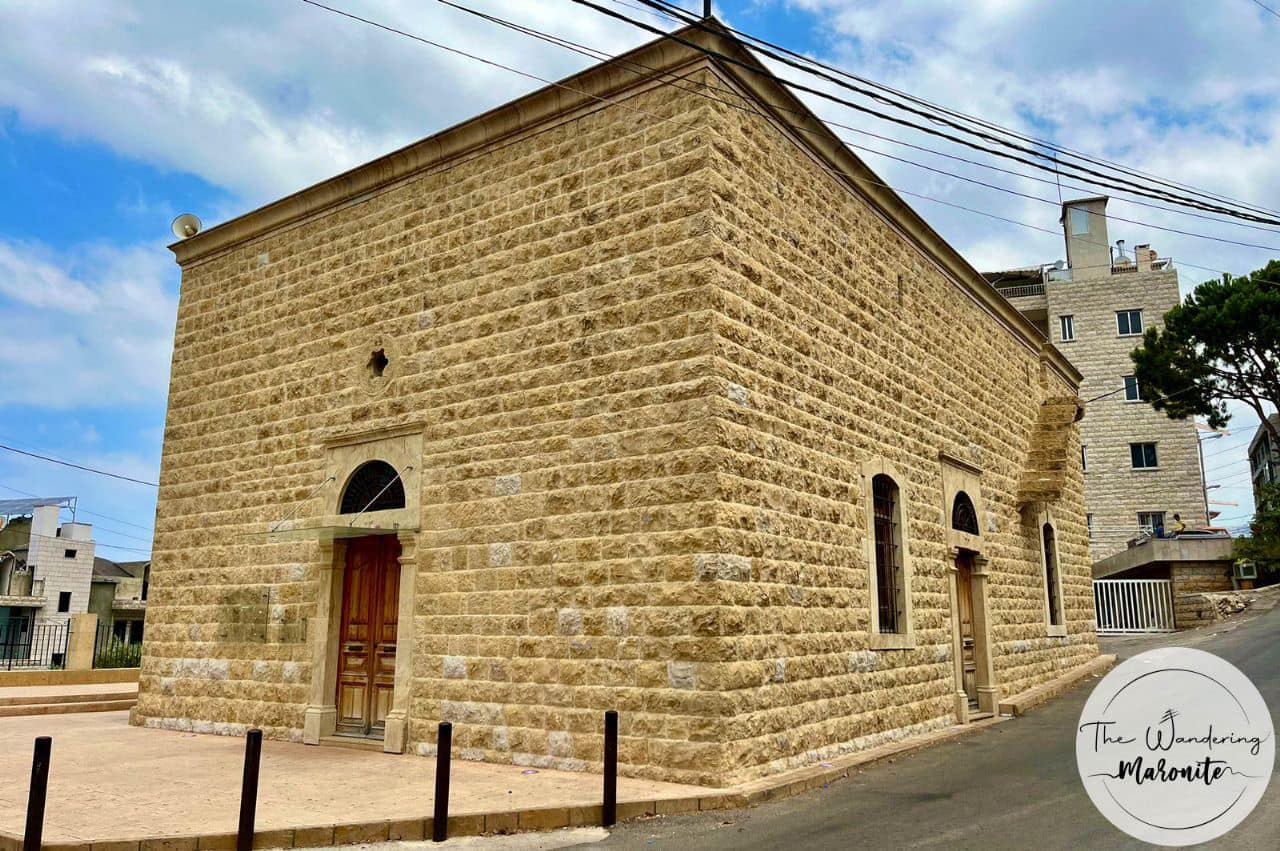
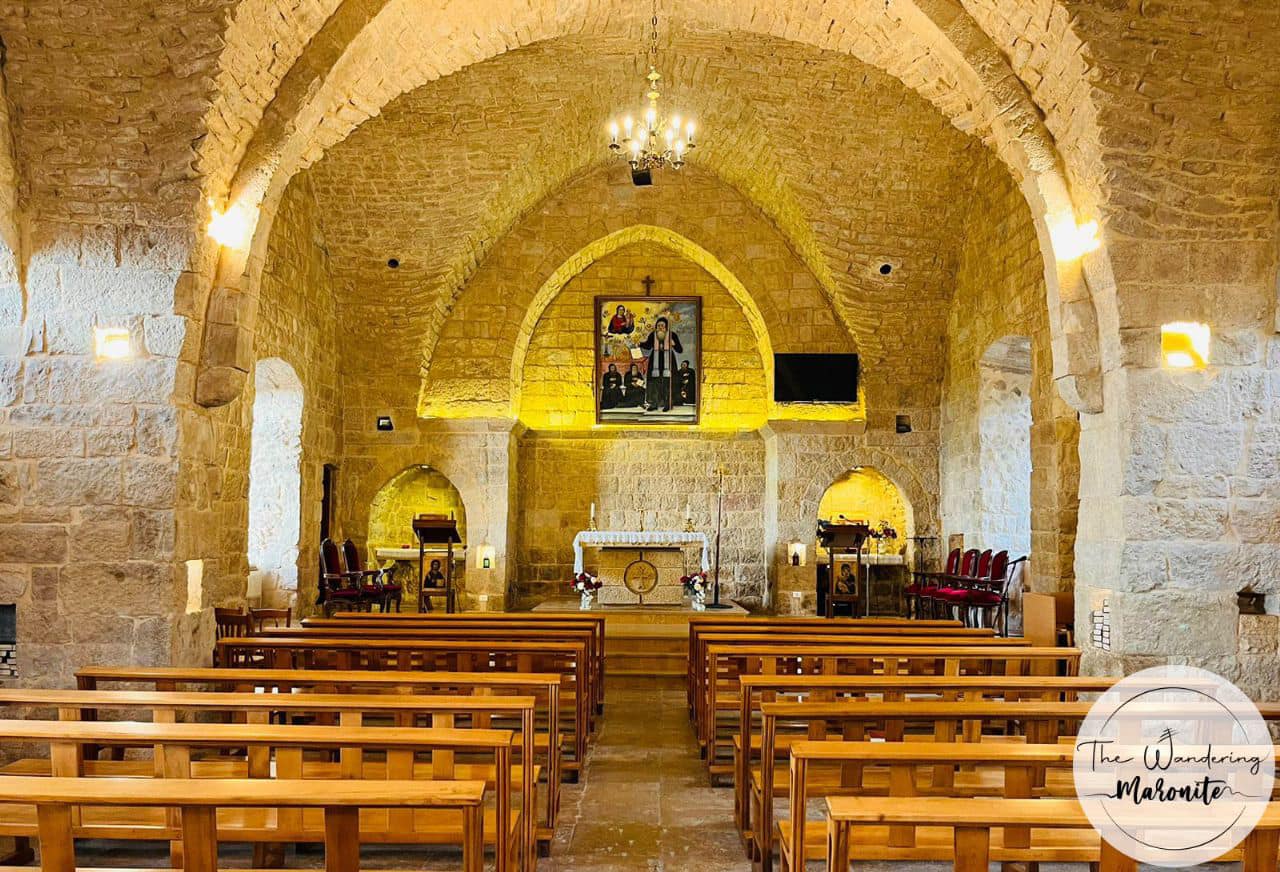
بُنيت الكنيسة الأولى شرفيّ البلدة أواخر القرن الثامن عشر. أعاد الأهالي بناء الكنيسة سنة ١٨٨٣ في موقعها الحاليّ. البناء كناية عن عقدٍ مُصالب ينتهي بحنية نصف دائرية. رمّمت الكنيسة أواخر القرن العشرين.
The Church of the Holy Martyrs, Disciples of St. Maroun - Mazraat Yashou’
The first church was built at the end of the XVIII century east of the village. The villagers rebuilt it in its current location in 1883. The structure is a cross-vault with a semi-circular apse. The church was restored during the nineties.
سنة ١٧٠٣ بنى الشيخ خطّار الخازن دير بكركي في محلّة البشوشي أوّلاً، وفي سنة ١٧٣٠ تسلّمه الرهبان الأنطونيون؛ بعدها سنة ١٧٥٠ تسلّمه المطران جرمانوس صقر والراهبة هندية عجيمي ليكون مقرًّا لأخوية قلب يسوع التي بدأت تشييد الدّير في موقعه الحاليّ. سنة ١٧٧٩ قضت براءة رسوليّة بأن يتحوّل دير بكركي لخير الطائفة المارونيّة. سنة ١٨٢٣ أصبح الدّير كرسيًّا بطريركيًّا لفصل الشتاء. سنة ١٨٩٠ رمّمه البطريرك يوحنا الحاج وأضاف إليه قسمًا من الطابق السفلي والطابق العلوي بكامله، والكنيسة التي رسم جداريّتها داوود القرم. والدّير من تصميم الأخ ليونار اللعازاريّ. رممّ أيضًا سنة ١٩٧٠ و١٩٨٢. سنة ١٩٩٥ أضاف إليه البطريرك نصر الله صفير جناحاً ليحفظ فيه الأرشيف ويكون متحفاً خاصاً بالكرسيّ البطريركي، كما أنشأ مدافن للبطاركة وزيّن الكنيسة بالزجاجيّات.
The Patriarchal monastery of Our Lady of Bkerke - Bkerke
In 1703 Sheikh Khattar el Khazen built the first church in the Bchouchi area and gave it in 1730 to the Antonine Order. In 1750 the monastery was given to Bishop Germanos Sakr and the nun Hindye to become a mother house to the congregation of the Sacred Heart of Jesus, and the construction on the current site began. In 1779 the congregation was dissolved and the monastery became the property of the Maronite church who decided to make it a winter residence for the patriarchs in 1823. In 1890 the building was restored by Patriarch John el Hajj with the design of the Lazarists Brother Lenard. The church was built and decorated with a fresco by Dawoud el Qorm. The building was restored in 1970 and 1982. In 1995 Patriarch Nasrallah Sfeir added a new hall for the archives and the museum, the patriarchal cemetery and decorated the church with stained glass windows.
دير الصليب ومحابس مار بسكوان ومار سلوان - وادي حولات حدشيت
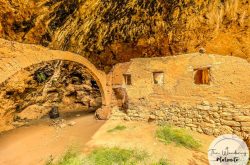
دير الصليب يعود للقرون الوسطى، هو دير عاصٍ فيه كنيسة بخورسين. في الحنيتين جداريّات بيزنطيّة بكتابة سريانيّة تمثّل في إحداها الرسل والأخرى البشارة. على الجدار الشماليّ جداريّة الصلب وتشبه الى حدٍّ كبير منمنمة رابولا وتنتمي للمدرسة السريانيّة. وضع الجداريّات مذرٍ بفعل مرور الزمن والتخريب. في سفح الجبل قرب الدّير محبستين، الأولى لمار بسكوان وهو شفيع الإستعداد للموت عند أهالي حدشيت، والأخرى لمار سلوان.
The Monastery of the Holy Cross and the hermitages of Sts Beskwan and Silwan - The valley of Houlat Hadsheet
The monastery of the Holy Cross is a medieval monastery in the Holy Valley. The main church is a double apse structure decorated by byzantine frescoes with Syriac inscriptions depicting on one apse the apostles and on the other the Annunciation. On the northern wall there is a fresco of the crucifixion from the Syriac school of iconography, most probably a reproduction of Rabbula’s miniatures. The frescoes are in dire condition due to time and sabotage. In the cliff of the mountain near the monastery stand two hermitages: St Beskwan the patron of the preparation for death to the people of Hadsheet and St Silwan the athonite.
40 Martyrs Church, Qoubaiyat El Gharbiyeh, Lebanon
كنيسة الأربعين شهيد
Qbaiyat Aakkar
Akkar
Akkar
كنيسة الأربعين شهيد - الغربيّة القبيّات
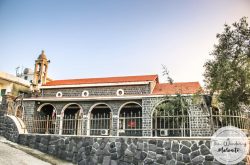
بُنيت الكنيسة الأولى في القرن السادس عشر في المحلّة التي تعرف بالقبيّات العتيقة. ومن أبرز أبنائها في تلك الحقبة الأولى سمعان ابن شمعة الذي كتب مدحًا في البطريرك موسى سعادة العكّاري سنة ١٥٥٧ بحسب سلسلة البطاركة التي كتبها البطريرك الدويهيّ. أعيد بناء الكنيسة سنة ١٩٢٥ وكرّسها رئيس أساقفة طرابلس آنذاك المطران أطون عريضه (البطريرك لاحقً). الكنيسة مبنيّة بالحجر البركانيّ الأسود، مؤلفة من سوق واحد بحنية نصف دائريّة. رمّمت في العقد الأخير ممّا أضفى على داخلها نمطًا حديثًا في الهندسة يختلف عن نمطها الخارجيّ.
The church of the Forty Martyrs - El Gharbye Kobayat
The first church was originally built in the XVIth century in the locality known as Kobayat el Atiqa (the old Kobayat). One of its most famous parishioners from that era is Semaan Ibn Shamaa el Kobayati who wrote a eulogy for patriarch Moussa Saade el Akkari in 1557, according to the patriarchal list written by patriarch El Douwaihy. The church was rebuilt in 1925 and consecrated by the archbishop of Tripoli Mgr. Antoun Arida (later patriarch). The church is built with black basalt, it consists of a single nave with a semi circular apse. It was restored in the last decade, with a modern interior that is in real contrast with the exterior.



Reviews are disabled, but trackbacks and pingbacks are open.